  • Nav // Sector index --:--:-- UTC 05 sectors

    01 02 03 04 05
    Target
    Standby
    Bearing
    ---°
    • 00 Home OverviewEngage ▸
    • 01 Threat #threatEngage ▸
    • 02 Impact #impactEngage ▸
    • 03 Sentinel #sentinelEngage ▸
    • 04 Predictive Intelligence #intelligenceEngage ▸
    • 05 Network #howEngage ▸

    WG-NET // Link stable 47.61°N 122.33°W

  • Blog
  • About
  • Investors
  • Wildfires Live
  • Contact us
  1. Home
  2. Blog

Transmissions // Blog

Blog

Field reports, product updates and fire-season briefings from Wildfires Guard.

All Wildfire Safety 3 Fire Intelligence 2
Featured Wildfire Safety

Wildfire Preparedness Checklist: How to Protect Your Home and Evacuate Safely

A step-by-step wildfire preparedness checklist for homeowners: create defensible space zones, harden your home against embers, pack a go-bag, and plan your evacuation before the alert.

Read transmission →
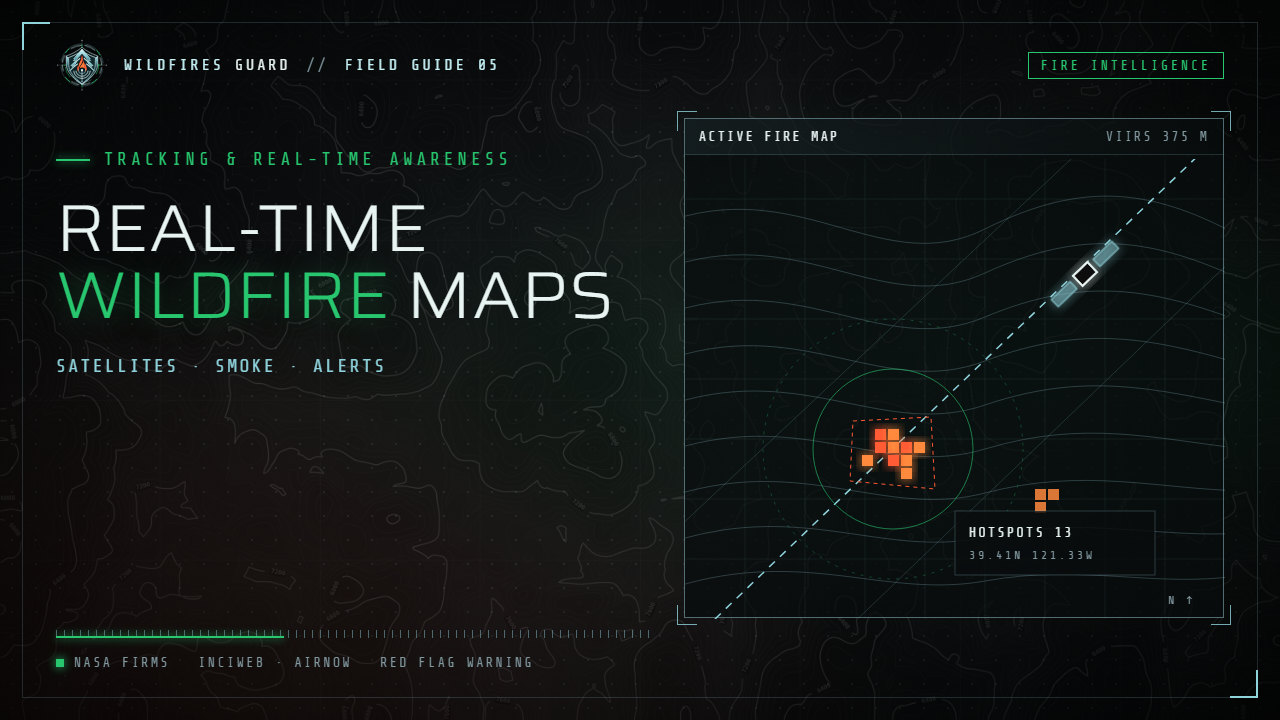
Active wildfire map with satellite hotspot detections along a satellite orbit track
Fire Intelligence 23 Oct 2026

Real-Time Wildfire Maps: 5 Best Tools to Track Active Fires Near You

The five most reliable active wildfire maps and alert tools, from NASA FIRMS satellites to InciWeb and AirNow, plus the difference between a Fire Weat...

7 min read →
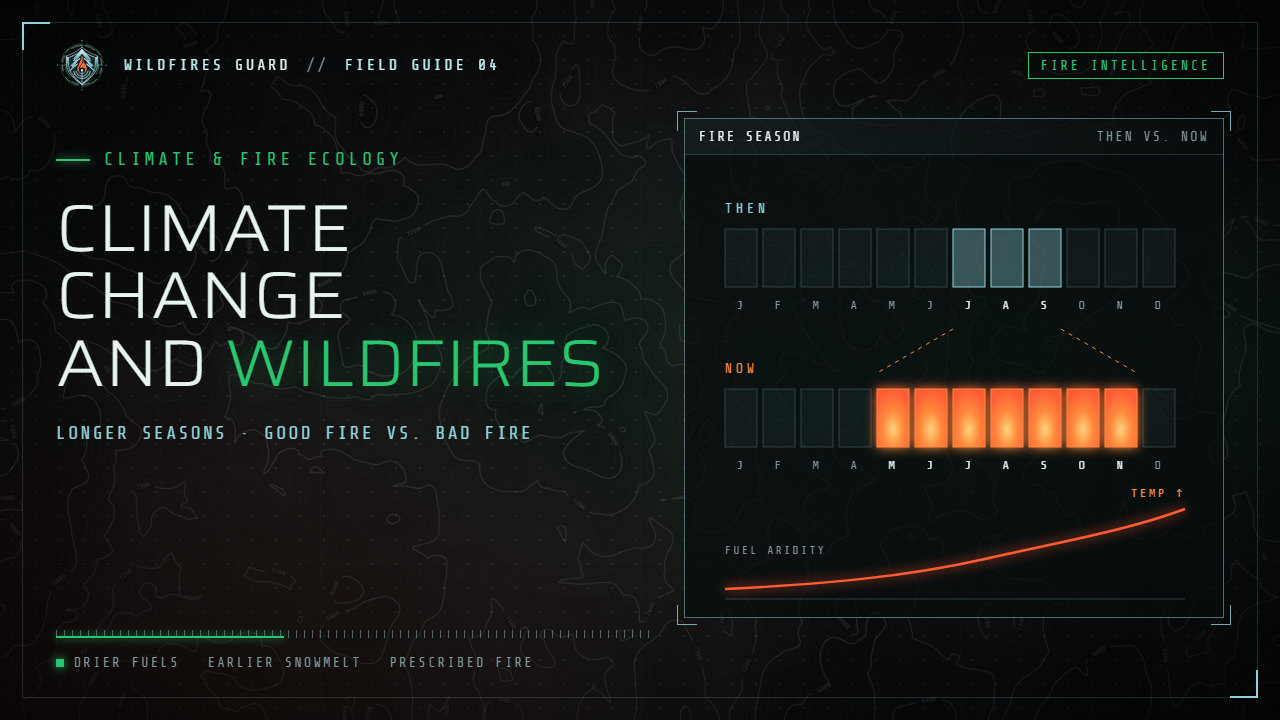
Chart of a lengthening fire season as temperatures rise, illustrating climate change and wildfires
Fire Intelligence 20 Oct 2026

Wildfires and Climate Change: Why Fire Seasons Are Getting Longer and More Intense

Hotter, drier fuels, megadrought and a century of fire suppression are making wildfires worse. Here is the science, and why prescribed burns are part...

8 min read →
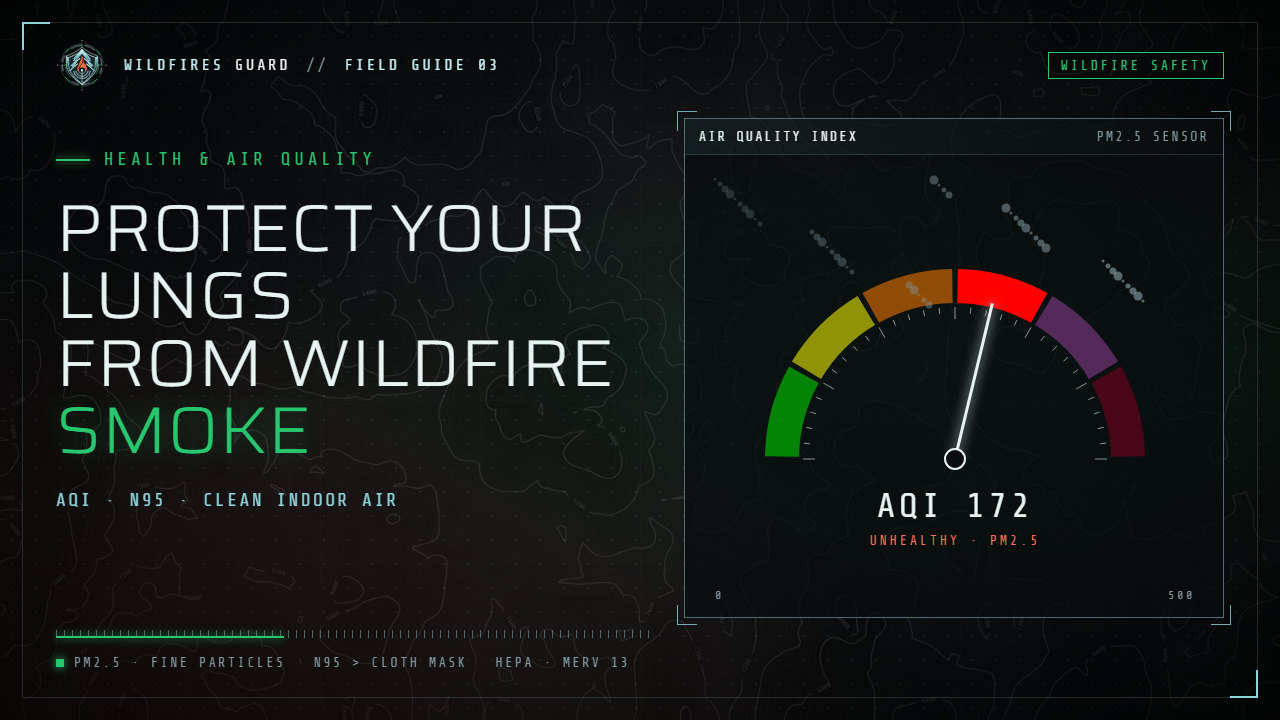
Air Quality Index gauge reading unhealthy levels of PM2.5 from wildfire smoke
Wildfire Safety 13 Oct 2026

How to Protect Your Lungs from Wildfire Smoke: Air Quality Tips That Work

Wildfire smoke reaches far beyond the flames. Learn its health effects, how to read the AQI, which masks actually work, and how to keep the air in you...

8 min read →
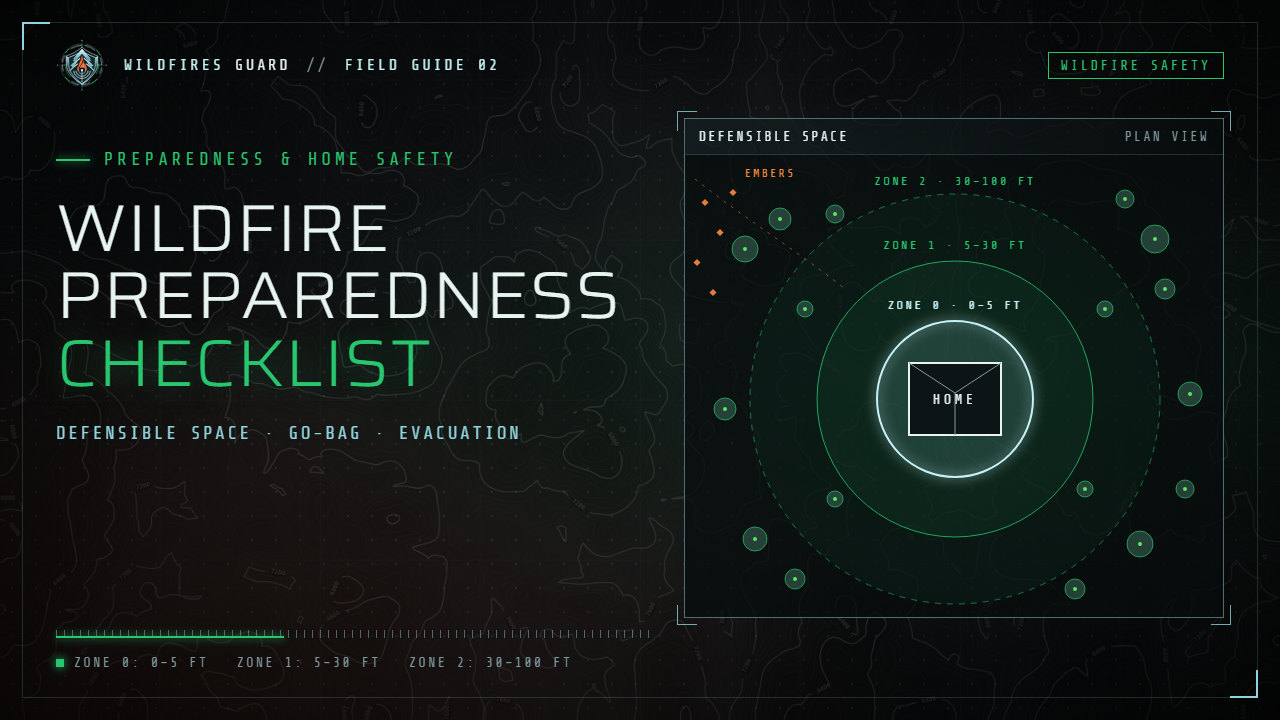
Defensible space zones around a home: Zone 0 at 0–5 ft, Zone 1 at 5–30 ft and Zone 2 at 30–100 ft
Wildfire Safety 06 Oct 2026

Wildfire Preparedness Checklist: How to Protect Your Home and Evacuate Safely

A step-by-step wildfire preparedness checklist for homeowners: create defensible space zones, harden your home against embers, pack a go-bag, and plan...

8 min read →
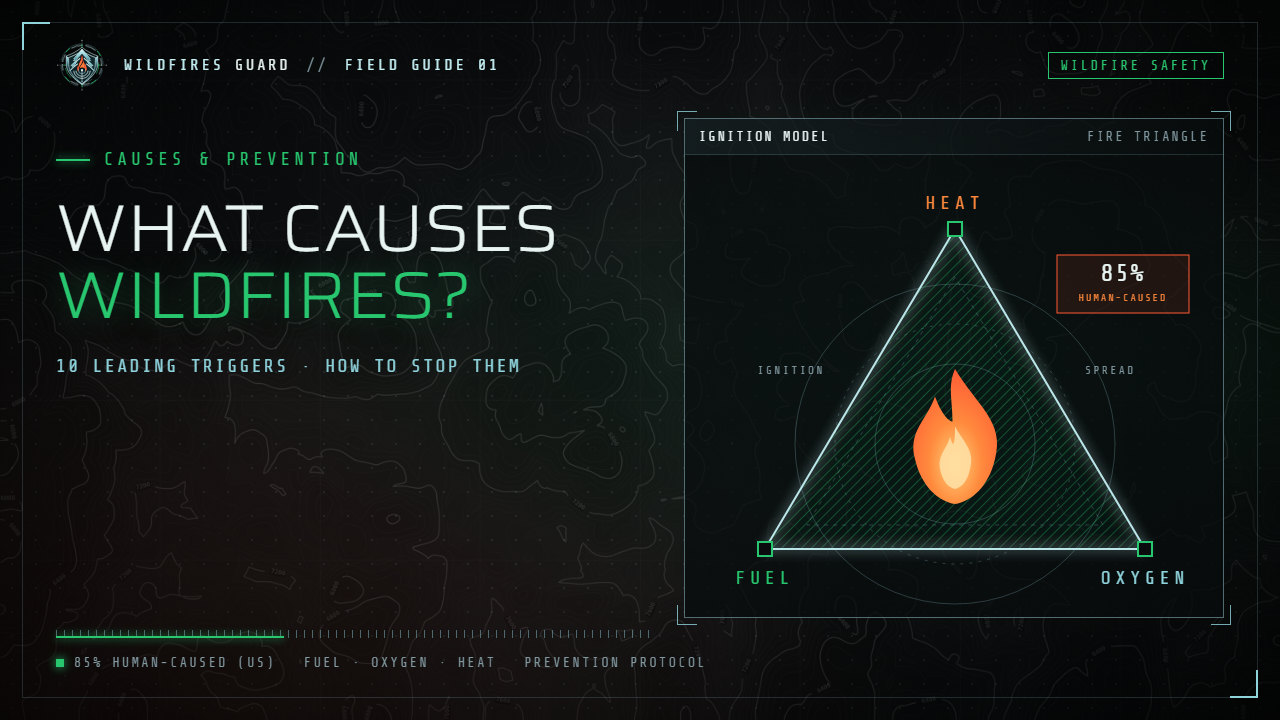
Fire triangle diagram of fuel, oxygen and heat, the three elements that cause wildfires
Wildfire Safety 29 Sep 2026

What Causes Wildfires? 10 Leading Triggers and How to Prevent Them

Nearly 85% of US wildfires are started by people. Learn how the fire triangle works, the 10 most common causes of wildfires, and the prevention habits...

8 min read →
Back to top
In development 00:00:00 UTC No live network · demo data is simulated

Autonomous wildfire surveillance in development, built to detect the spark, predict the fire, and give crews the minutes that matter.

01 Navigate

  1. 01 Threat assessment
  2. 02 Mission impact
  3. 03 The Sentinel
  4. 04 Predictive intelligence
  5. 05 Network
  6. 06 About Wildfires Guard
  7. 07 Investors
  8. 08 FAQ
  9. 09 Blog
  10. 10 Request a briefing
  11. 11 Development status
  12. 12 Who it is for

02 Latest Blog Posts

  • 23 Oct 2026 Fire Intelligence

    Real-Time Wildfire Maps: 5 Best Tools to Track Active Fires Near You

  • 20 Oct 2026 Fire Intelligence

    Wildfires and Climate Change: Why Fire Seasons Are Getting Longer and More Intense

  • 13 Oct 2026 Wildfire Safety

    How to Protect Your Lungs from Wildfire Smoke: Air Quality Tips That Work

All Blog Posts →

03 Uplink

Wildfire articles, product updates and fire-season briefings. One email a month.

By subscribing, you agree to receive email updates from Wildfires Guard and to our Terms of Use and Privacy Policy. Unsubscribe at any time.

Direct
contact
Response
< 1 business day

© 2026 Wildfires Guard Inc. All rights reserved.

  • Privacy policy
  • Terms of use
  • Cookies
  • Accessibility
  • Security disclosure

Not an emergency service. To report a fire, call 911 or your local emergency number.